
Making your choices easier
Whether you live in South Eastern NSW or are visiting, knowing your health care options can help you get the right support sooner.
Emergency departments are for serious or life‑threatening conditions, but there are other places you can go for care if you’re feeling unwell or have a minor injury.
Know your symptoms and care options
Your regular doctor is often the first place for ongoing care and management. If they're unavailable or you're away from home, your symptoms can help guide you to other services. The Symptom Checker can also advise if you should see a doctor or care for yourself at home.
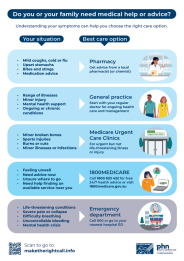
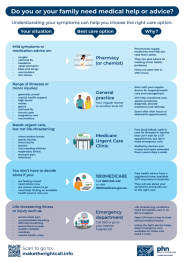
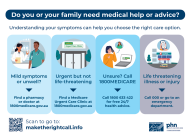
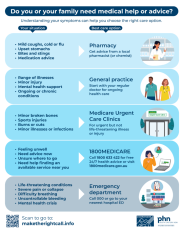
Use the information below to choose a suitable care option, or download our guide here.
-

Mild symptoms and advice
External Link Click hereExamples include: mild cold or flu symptoms, coughs, headaches, upset stomachs, bites and stings, questions or advice about medicines.
Best option: Pharmacy (or chemist).
The main role of a pharmacist is to supply medicines and help you to take them safely.
They can also give advice about treating minor health problems, provide vaccinations, and let you know if you should see a doctor.
Many pharmacies are also open late or after hours.
Learn more about what pharmacists do, and how they can help here.
Find a pharmacy using the service directory.
-

Range of illnesses or minor injuries
External Link Click hereExamples include: feeling unwell, fever, rashes, gastro, cold or flu symptoms, minor injuries, mental health support, pregnancy care, chronic pain.
Best option: Start with your regular doctor or another local general practice (GP).
GPs provide ongoing health care for all ages. They assess symptoms, diagnose, treat illness, manage chronic conditions, and support prevention through prescriptions, tests, vaccinations and referrals. Some practices also offer after hours or telehealth appointments. Learn more here.
If your usual general practice is closed or you're away from home, you may be able to see a GP at your nearest Medicare Urgent Care Clinic.
Find a GP in your area using the service directory.
-

Urgent but not life‑threatening
External Link Click hereExamples include: sprains, sports injuries, minor broken bones, cuts needing stitches, minor burns, minor illnesses or infections such as respiratory illnesses and urinary tract infections (UTIs).
Best option: Medicare Urgent Care Clinic (Medicare UCC).
Medicare UCCs offer free (bulk billed), walk-in care for illnesses and injuries that can't wait for a regular GP appointment, but don't need emergency care.
Clinics are staffed by doctors and nurses and open extended hours, seven days a week.
Available in Batemans Bay, Bega, Dapto, Nowra, Queanbeyan, Shellharbour and Wollongong. Find a clinic near you here, or visit our urgent care webpage. Learn more about Medicare UCCs here.
-

You don’t have to decide alone
Call 1800MEDICAREIf you or someone you care about needs health advice or care, and you’re unsure what to do next:
Best option: Call 1800MEDICARE on 1800 633 422.
1800MEDICARE offers a 24/7 helpline where you can speak to a registered nurse about any health concern, anywhere in Australia.
They'll assess your symptoms and guide you to the right care, whether that's self-care at home or getting help from a local service like a GP, Medicare UCC, pharmacy or emergency department.
Call 1800 633 422 or go to 1800medicare.gov.au.
-

Mental health support
Call Medicare Mental HealthIf you or someone you care about needs mental health support, help is available:
Best option: Call the Medicare Mental Health phone service on 1800 595 212.
This free service connects you with a trained professional who can provide advice and help link you to local support. Available 8:30am to 5:00pm on weekdays (excluding public holidays).
Find other mental health helplines here. You can also search services and helplines on our website.
If you or someone you know is in crisis and needs immediate help, call triple zero (000).
-
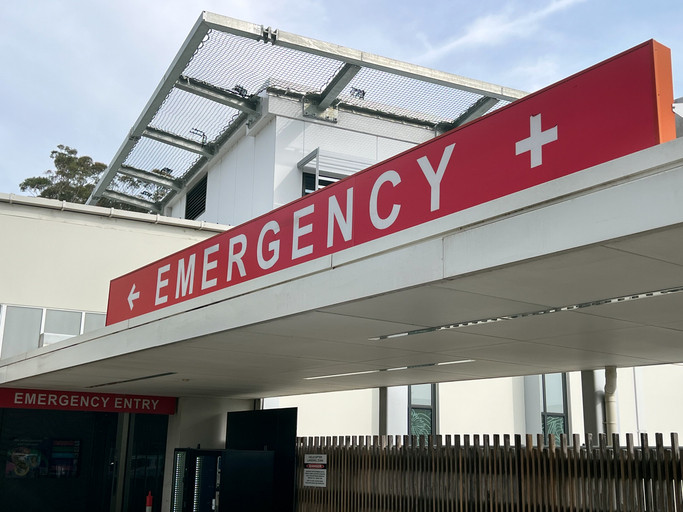
Life-threatening illness or injury
Call 000Examples include: severe chest pain, difficulty breathing, severe burns, poisoning, loss of feeling, seizures, uncontrollable bleeding, severe stomach or abdominal pain, sudden collapse, overdose, mental health crisis, serious injury.
Call triple zero (000) for an ambulance, or go to your nearest hospital emergency department.
Life-threatening conditions require immediate care in an emergency department or hospital, which is open 24 hours a day to treat serious medical issues.
Using the right service helps keep emergency care available for those who need it most. Learn more about hospital emergency departments here.
Extra help to access care
The information below can help you find the right care for your needs or situation, whether you're at home, travelling, or need language or accessibility support.
Campaign resources
Support community awareness of local health care options with our ready-to-use campaign resources.
Page last updated: 6 July 2026