You Can Ask: new resources empower multicultural communities to request an interpreter
22 September 2026
A new suite of culturally appropriate resources have been launched to help newly arrived migrants and multicultural communities better understand and access interpreter services when receiving health care in the region.
The You Can Ask resources have been developed by Cayce Hill in consultation with community members across the Bega Valley region to ensure they are relevant, practical and accessible.
For Ms Chen, the need for these resources is personal.
After moving from Taiwan to Australia several years ago, Ms Chen did not realise she could ask for a professional interpreter when receiving health care. When she later faced a serious health issue requiring surgery, not understanding medical information left her feeling confused and worried.
"No one offered (an interpreter). I could have asked for one, but no one told me this option was available," Ms Chen said.
When an interpreter was provided before her surgery, the experience was transformative: "When he arrived, I felt better instantly. The interpreter was there to go through all the paperwork. He could tell me what was happening in my own language. I felt more confident and less afraid."
Looking back, Ms Chen wishes she had known about interpreter services sooner.
"If I could do it all again, I would ask for more help to understand"
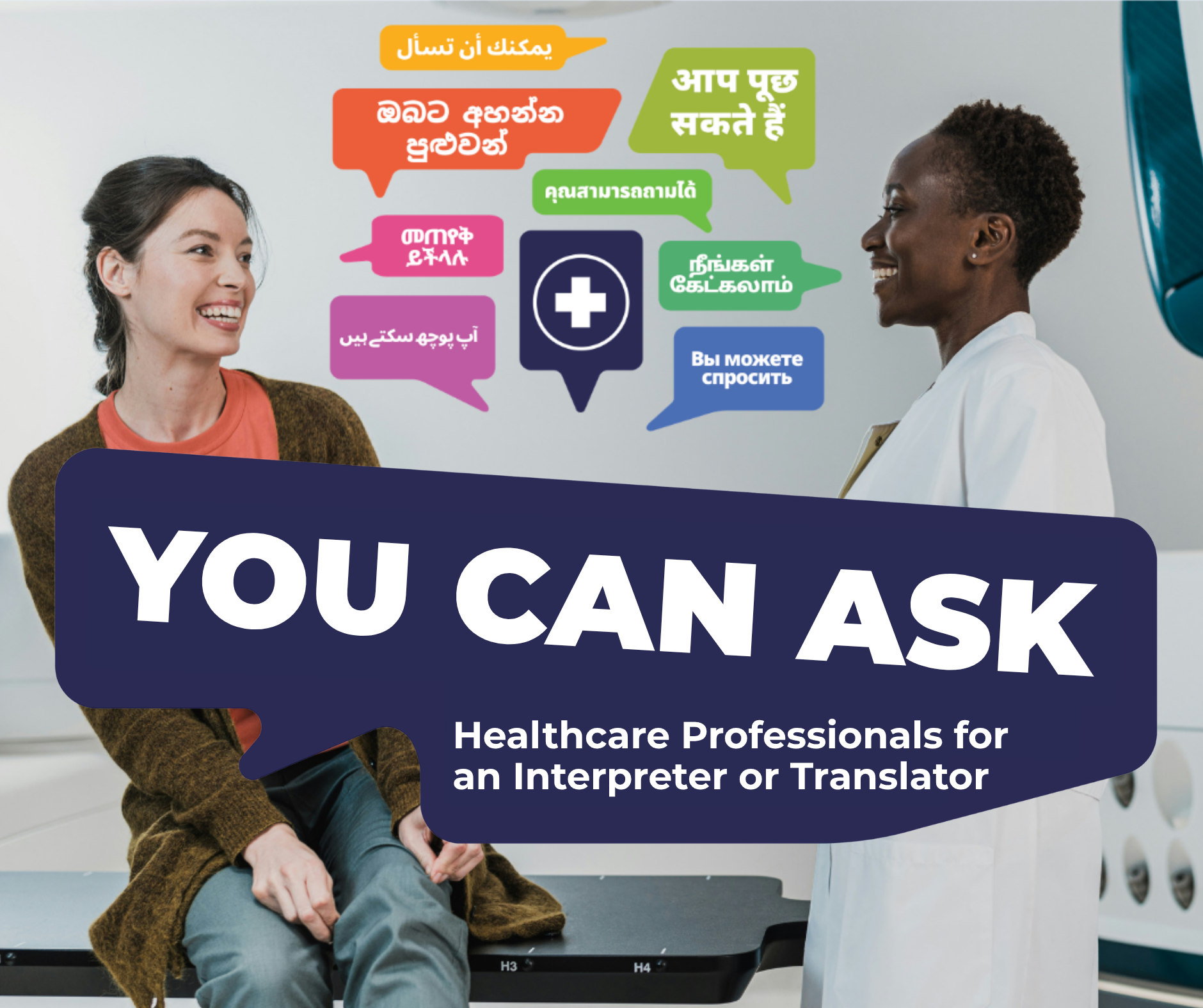
Funded by COORDINARE – South Eastern NSW PHN, the posters, interpreter request cards, pull-up banners and social media assets aim to increase awareness of interpreter services and empower people from culturally and linguistically diverse backgrounds to ask for language support when accessing healthcare.
COORDINARE CEO Prudence Buist said access to clear communication is fundamental to safe, high-quality healthcare.
“Everyone deserves to understand their health care and to feel confident asking questions, expressing concerns and taking part in decisions about their health,” Ms Buist said.
“For people who are not confident communicating in English, language barriers can make it more difficult to navigate services, understand health information or explain what they need.
“By improving awareness of interpreter services, we can help people feel more confident asking for language support and help make health care safer, more inclusive and more equitable.”
The project responds to the challenges many newly arrived migrants face when accessing health services, including language barriers and limited awareness of available interpreter support.
Ms Buist said professional interpreters could also support clearer communication between consumers and health professionals.
“Health information can be complex, particularly when people are receiving a diagnosis, discussing treatment options or learning how to use medicines safely,” Ms Buist said.
“A professional interpreter can help ensure important information is communicated clearly and confidentially. This reduces the risk of misunderstanding and supports people to make informed decisions about their care.
“The message of this campaign is simple: if you need help communicating during a health appointment, you can ask for an interpreter.”
The campaign also seeks to reduce reliance on family members, including children, to interpret health information. COORDINARE’s work to improve healthcare access for multicultural communities has identified that relying on family members to translate can contribute to misunderstandings, privacy concerns and people feeling misunderstood or undervalued.
By encouraging consumers to ask for an interpreter when needed, the campaign aims to improve communication between patients and healthcare providers, support informed decision-making and help create more equitable healthcare experiences.
The You Can Ask resources will be shared across community networks to encourage greater awareness and uptake of interpreter services.
Download the resources: